
Laboratory and Anemia Management
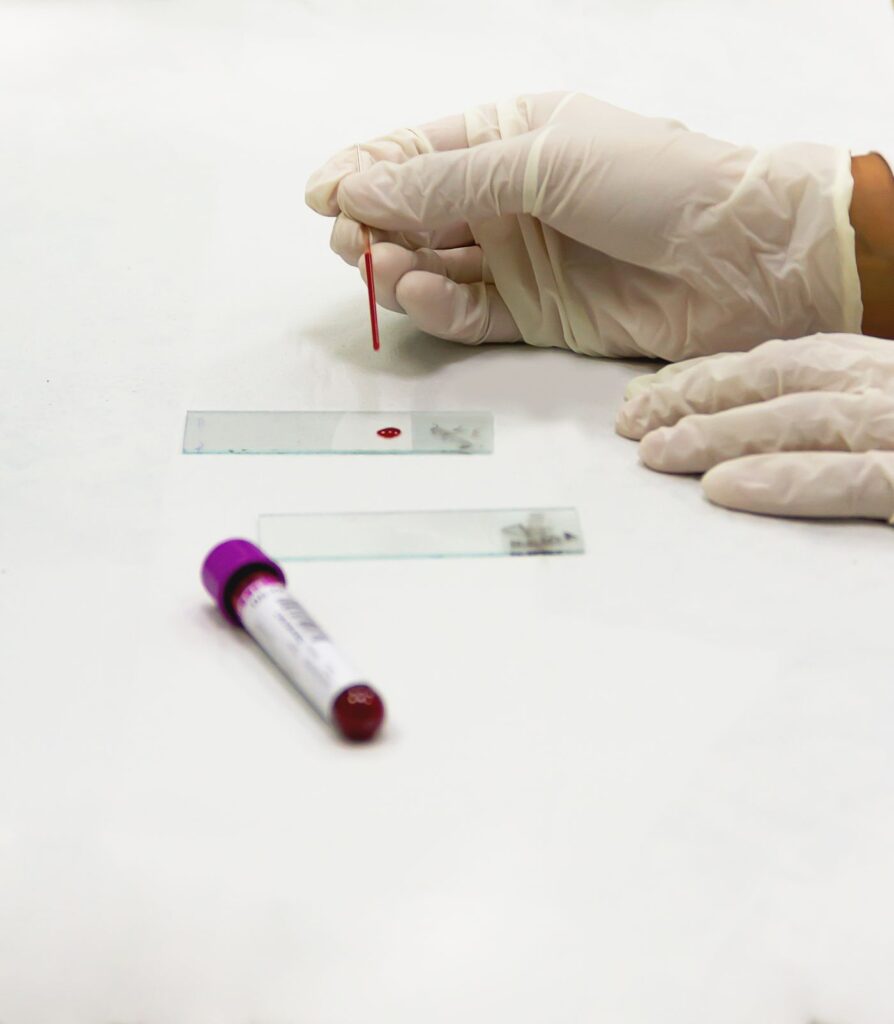
A lot of kidney care comes down to watching numbers over time — creatinine (a marker of how well your kidneys filter), GFR (an estimate of their filtering ability), and other key values. Our on-site lab lets us draw and monitor that bloodwork in the same place you see your doctor — no separate trip required. And when kidney disease leads to anemia (low red blood cell counts), we can treat it right here in our office, so your care stays in one place.
Your kidneys do far more than filter waste. Among other jobs, they make a hormone called erythropoietin (EPO) that signals your body to produce red blood cells. When kidneys are damaged, they often make less EPO, and the body makes fewer red blood cells. The result can be anemia, a condition in which you don't have enough healthy red blood cells to carry oxygen through your body. Anemia is common in chronic kidney disease (CKD) and can begin even before the kidneys fail. It can also be made worse by low iron, low vitamin B12 or folate, ongoing inflammation, or blood loss.
Many people with anemia feel tired or weak, short of breath, dizzy, or notice trouble concentrating, headaches, pale skin, or a faster heartbeat. Because these symptoms can come on slowly, regular bloodwork is one of the best ways to catch anemia and other changes early. Common labs your care team may follow include hemoglobin (the oxygen-carrying protein in your red blood cells) and iron studies such as ferritin and transferrin saturation (TSAT), which show how much iron your body has stored and how much is available to use.
Kidney function itself is usually tracked with two simple tests: a blood test called eGFR (estimated glomerular filtration rate), which estimates how well your kidneys are filtering, and a urine test called the urine albumin-to-creatinine ratio (uACR), which checks for protein (albumin) in the urine. Checking these regularly helps your team understand your stage of kidney disease and adjust your care. When anemia is found, treatment is tailored to the cause and may include iron (by mouth or through a vein), vitamin support such as B12 or folate, and erythropoiesis-stimulating agents (ESAs) when appropriate.
What we offer
- On-site bloodwork and monitoring — We draw and follow the labs that track your kidney health and overall well-being right here in the office, so we can spot changes early and adjust your care.
- Anemia management — When kidney disease leads to anemia, we evaluate the cause and create a plan to treat it, with convenient follow-up to see how you respond.
- IV iron infusions — For patients who need it, we provide iron directly into a vein in the office, an option often used when oral iron isn't enough or isn't well tolerated.
- ESA therapy (Procrit) when appropriate — Erythropoiesis-stimulating agents help the body make more red blood cells. We offer these medicines when your physician determines they are right for you.
- Vitamin B12 injections — For patients with B12 deficiency, we offer B12 injections in the office to help support healthy red blood cell production and energy.
- Natera (Renasight) genetic testing — When helpful, we offer Renasight genetic testing (a blood or saliva sample) to look for an inherited cause of kidney disease that may guide your care and your family's.
What to expect
At your visit, your care team will talk with you about how you’ve been feeling and review your history. If labs are needed, bloodwork can often be done right in our office, and a urine sample may be collected to check kidney function. If your results point to anemia or low iron or vitamin levels, your physician or nurse practitioner will explain what the numbers mean and discuss a plan with you, which may include in-office treatments such as IV iron, an ESA medicine, or a B12 injection. Our team cares for patients across the office, hospitals, dialysis centers, and by telehealth, and we coordinate follow-up labs so we can see how you’re responding over time.
Why choose West Orange Nephrology?
Convenient care
bloodwork, anemia treatment, IV iron, ESA therapy, and B12 injections are available on-site in our Winter Garden office, so much of your monitoring and treatment can happen in one place.
Caring approach
our physicians and nurse practitioners take time to explain your lab results in plain language and build a plan around how you actually feel, in keeping with our mission to empower patients with information.
Collaborative care
we follow your labs over time and coordinate across the office, hospitals, dialysis centers, and telehealth, and we can use genetic testing when it helps guide your care and your family's.
Frequently asked questions
Why do people with kidney disease often develop anemia?
Healthy kidneys make a hormone called EPO that tells the body to produce red blood cells. When kidneys are damaged, they often make less of it, so the body makes fewer red blood cells. Low iron, low B12 or folate, inflammation, and blood loss can also contribute. Your care team can test for these and treat the cause.
What is an IV iron infusion, and why might I need one?
An IV iron infusion delivers iron directly into a vein. It's often used when iron taken by mouth isn't raising your levels enough or isn't well tolerated. Your physician will decide whether it's appropriate for you. As with any medicine, side effects are possible, so your team will monitor you during treatment.
How often will my labs be checked?
It depends on your individual situation and stage of kidney disease. Many people have kidney labs checked regularly so changes can be caught early. Your care team will recommend a schedule that's right for you and explain your results.
What is the genetic test for kidney disease?
Renasight is a test that looks for an inherited cause of kidney disease using a blood or saliva sample. The National Kidney Foundation and KDIGO now recommend genetic testing for many patients with kidney disease. Results may help guide your care and inform your family. Your physician can discuss whether it makes sense for you.
